Exploring Fish Finder Features: Essential Knowledge for Every Angler
Comprehending fish finder capabilities is crucial for every angler aiming to improve their overall fishing performance. Various elements, such as GPS integration and sonar technology, contribute greatly to enhancing the fishing experience. Each feature can impact how successfully one can navigate and spot fish. However, not all fish finders are created equal. Anglers must consider their individual requirements and the numerous available options. What aspects ought to be emphasized to secure a rewarding experience on the water?
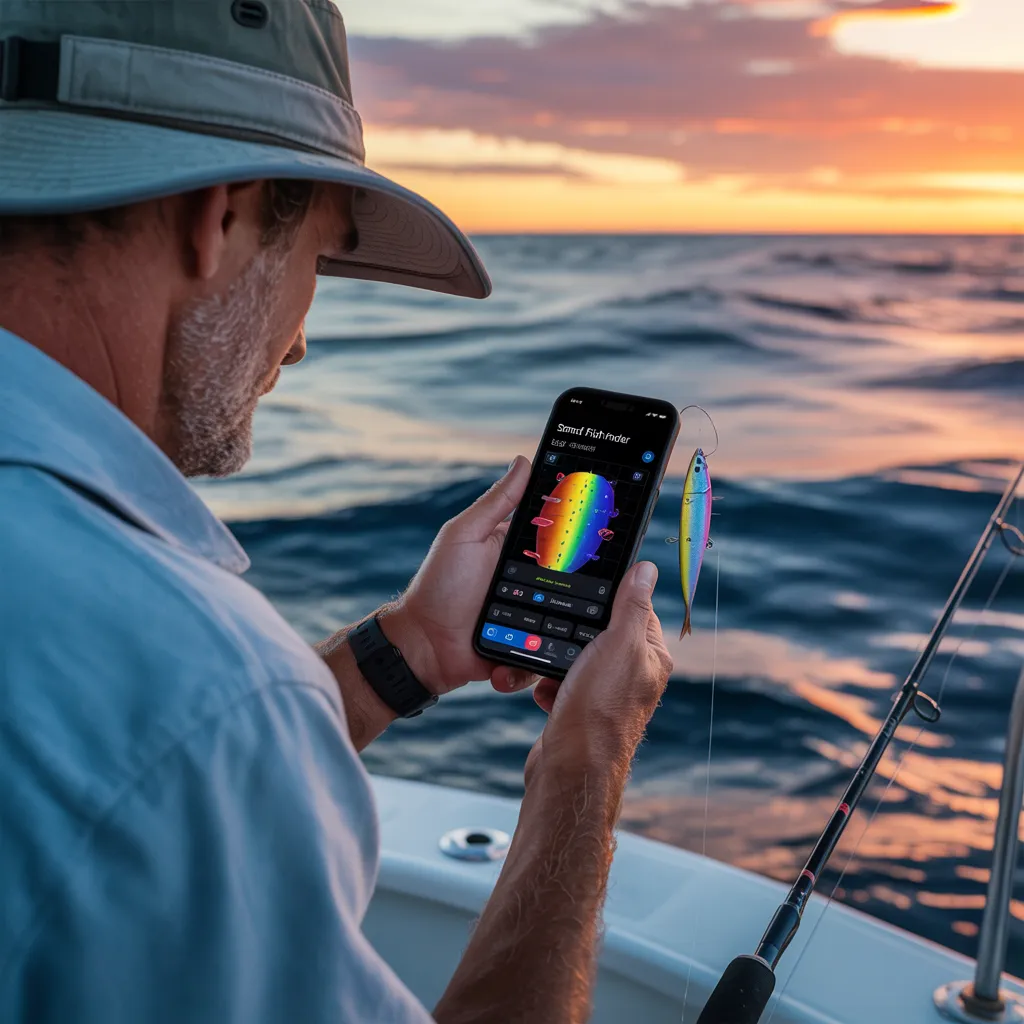
How to Pick the Perfect Fish Finder for Your Situation
When selecting a fish finder, what should anglers keep in mind to make certain they choose wisely? To begin, the kind of fishing dictates the essential characteristics. For instance, freshwater and saltwater fishing may require different specifications. Additionally, display size and resolution are essential; expansive, high-clarity displays boost visibility and user-friendliness. Ease of transport is another key consideration, especially for those who fish from smaller boats or kayaks.
The type of transducer and its frequency also affect overall performance; higher frequencies provide clearer and more detailed images in shallow waters, while lower frequencies are more suitable for deeper water conditions. Moreover, navigation capabilities may offer significant benefits for anglers who often explore new fishing locations. In addition, budget considerations must be balanced with the desired features to avoid unnecessary overspending. Through a thorough evaluation of these critical factors, anglers can confidently select a fish finder that best suits their individual fishing needs.
An Overview of Sonar Technology and Its Benefits
Sonar technology serves as the cornerstone of modern fish finders, allowing anglers to detect underwater structures and schools of fish with accuracy. This technology utilizes sound waves to generate detailed images of the underwater environment. By transmitting sound pulses and interpreting their echoes, sonar systems can determine the depth, scale, and structure of objects beneath the surface.
There are two primary types of sonar: conventional 2D sonar and sophisticated practical guide 3D sonar. Whereas 2D sonar offers essential depth readings and fish location details, 3D sonar offers a more thorough view, revealing underwater landscapes and fish movement patterns. Such data empowers anglers to make educated determinations about ideal fishing areas and approaches.
The advantages of sonar technology go further than simple fish detection. It also enhances safety by helping anglers avoid underwater hazards, thereby improving their overall fishing experience. Comprehending sonar capabilities provides anglers with the tools necessary for productive and effective fishing outings.
What Display Options Should You Consider?
When picking out a fish finder, fishermen must evaluate the importance of screen size and display type. A wider screen can enhance clarity and usability, while the type of display—such as LCD or LED—affects sharpness and effectiveness in diverse lighting conditions. Understanding these options is crucial for maximizing the efficiency of the device on the water.
Why Screen Size Matters
The display size of a fish finder is a critical factor in how an angler performs on the water. A larger screen boosts clarity, making it easier to read important data such as depth readings, fish whereabouts, and underwater structure. It minimizes the need for squinting or leaning in, which proves especially helpful during extended time on the water. On the other hand, compact screens can restrict detail and sharpness, making it more challenging to identify key features. Moreover, screen dimensions have an effect on portability; portable models are convenient to move but may reduce legibility. Ultimately, selecting the right screen size depends on the angler's preferences, fishing style, and the environment in which they operate. Making a careful selection can considerably elevate the quality of every fishing outing.
Display Style Options
While selecting a fish finder, anglers should thoroughly assess the various display types on the market, as they considerably influence functionality and usability. The key options consist of LCD, LED, and OLED displays. LCD monitors are popular and deliver clear visibility in various lighting conditions, while LED displays provide superior brightness and better energy efficiency. OLED screens, while generally pricier, offer superior contrast and color accuracy, making them more readable in direct sunlight. Additionally, anglers should evaluate screen size and resolution, as these factors influence the clarity of displayed data. Touchscreen functions can also elevate usability, allowing for quicker navigation through options and menus. Ultimately, selecting the ideal display type can noticeably boost fishing success and overall experience.
GPS Integration in Fish Finders: Why It Is Important
GPS technology in fishfinders significantly improves navigational abilities, permitting anglers to precisely identify their whereabouts while fishing. This feature also facilitates waypoint management, permitting fishermen to save and navigate back to productive fishing locations. Consequently, anglers can enhance their fishing methods and improve overall efficiency on the water.
Enhanced Navigation Capabilities
Upgraded guiding features in fishing devices substantially boost the recreational fishing experience by utilizing global positioning technology. This merging permits sport fishers to locate their specific location on the water, delivering a dependable benchmark for navigating unfamiliar territories. With instant mapping, operators can track their path, ensuring they continue oriented while fishing. In addition, fish finders with GPS can show underwater measurements, terrain outlines, and subsurface structures, boosting perception of the environment. These details assists sport fishers form knowledgeable selections about the best casting spots. Additionally, the smooth combination of echo data and positioning data elevates complete performance, empowering fishing enthusiasts to direct attention to their fishing strategies rather than concerning themselves with navigation. In conclusion, GPS functionality greatly elevates the angling adventure, making it safer and more enjoyable.
Waypoint Administration Features
Waypoint management tools in fish finders are fundamental to improving an angler's productivity on the water. These capabilities enable anglers to identify, save, and travel to particular spots, including fruitful fishing locations, submerged structures, or potential dangers. Using GPS technology, users can conveniently recall saved waypoints and consult detailed charts, guaranteeing they can reproduce productive fishing trips. Additionally, many fish finders offer the ability to categorize waypoints, permitting anglers to structure their top locations and distribute them among fellow anglers. This function decreases the effort invested in finding fish, enabling more targeted fishing activities. In the end, proficient waypoint management converts fishing from a haphazard activity into a calculated effort, increasing the likelihood of a successful catch.
Understanding Frequency and Transducer Types: What You Need to Know
How do anglers determine the best frequency and transducer type to suit their specific fishing needs? Picking the correct frequency is fundamental, as it significantly influences the fish finder's effectiveness across different water environments. Upper-range frequencies, commonly falling within the 200 kHz to 400 kHz range, offer superior detail and work best in shallow waters, exposing underwater structures and fish with greater precision. On the other hand, lower frequencies, such as 50 kHz, cut through deeper waters with greater efficiency, making them suitable for offshore fishing where depth exceeds 100 feet.
Transducer types also play a significant role. Traditional transducers are engineered for conventional sonar readings, while CHIRP (Compressed High-Intensity Radiated Pulse) transducers deliver improved target distinction and precision. Moreover, a number of transducers are equipped with various frequency options, permitting anglers to tailor their approach to diverse fishing environments. Grasping these characteristics empowers anglers to make educated decisions that elevate their fishing experience and general success out on the water.
How to Fine-Tune Fish Finder Settings for Better Performance
Adjusting sonar settings can considerably boost an fishing enthusiast's success on the water. To attain optimal performance, anglers should initially setting the frequency based on their surrounding water conditions. A increased frequency provides more precise imagery in shallow waters, while lower frequencies are ideal for deeper waters. Following this, the sensitivity setting must be adjusted to maximize target visibility; raising sensitivity can help detect fish in turbid water, while too high a setting may clutter the display.
Additionally, choosing the correct display mode—including standard 2D sonar or enhanced options like CHIRP—can increase visual clarity. Routinely updating the device's software guarantees the benefit of the latest features and improvements. As a final point, becoming familiar with the unit's interface and controls allows for swift changes during fishing excursions, improving the capability of the device and thereby improving angling success.
Helpful Tips for an Enjoyable Fishing Experience
Even though fishing serves as a calming leisure activity, readiness and approach are key to a successful outing. Anglers should begin by selecting the right gear tailored to their specific fishing environment. This involves selecting suitable rods, reels, and lures that match the intended fish species. Exploring local fishing guidelines and seasonal behaviors can yield useful information about prime fishing areas and ideal time frames.
Employing a fish finder greatly improves the experience of fishing. Learning about its features—such as fish detection and depth readings—can considerably increase catch rates. Additionally, maintaining a keen awareness of tides and weather changes is crucial for planning fishing trips.
Above all, develop adaptability and patience. Anglers frequently need to adjust their tactics based on real-time observations. By combining preparation, technology, and flexibility, anglers can maximize their chances of a successful outing while enjoying the tranquility of nature.
Commonly Asked Questions
Can Fish Finders Be Used in Both Freshwater and Saltwater?
Fish finders can certainly be utilized in freshwater and saltwater settings alike. Nevertheless, certain models may be designed for ideal operation in one type, so fishermen are advised to choose wisely based on their specific fishing environment.
How Should I Maintain My Fish Finder for Longevity?
To maintain a fish finder for long-term use, regularly clean the transducer, prevent exposure to extreme temperatures, guarantee proper storage, maintain updated software, and check connections for corrosion. Adhering to these steps can considerably extend the device's longevity and performance.
Do Budget-Friendly Fish Finder Options Exist?
Affordable fish finder options are indeed available. Many manufacturers offer reliable models with essential features at lower price points, enabling anglers to discover fitting devices without exceeding their budget while still ensuring effective fishing experiences.
Can My Fish Finder Be Connected to My Smartphone?
Yes, numerous today's fish finders offer smartphone connectivity using Bluetooth or Wi-Fi. This option allows users to access data, maps, and settings directly from their mobile phones, elevating their fishing experience and convenience.
What Are Some Common Troubleshooting Steps for My Fish Finder?
Typical troubleshooting measures for a fish finder involve inspecting connections, confirming adequate power supply, adjusting settings, examining the transducer for signs of damage, and restarting the device. These steps frequently address problems and effectively restore proper operation.
Comments on “Complete Guide for Fish Finder for Sale”